

Risks
>> Monday, May 17, 2010
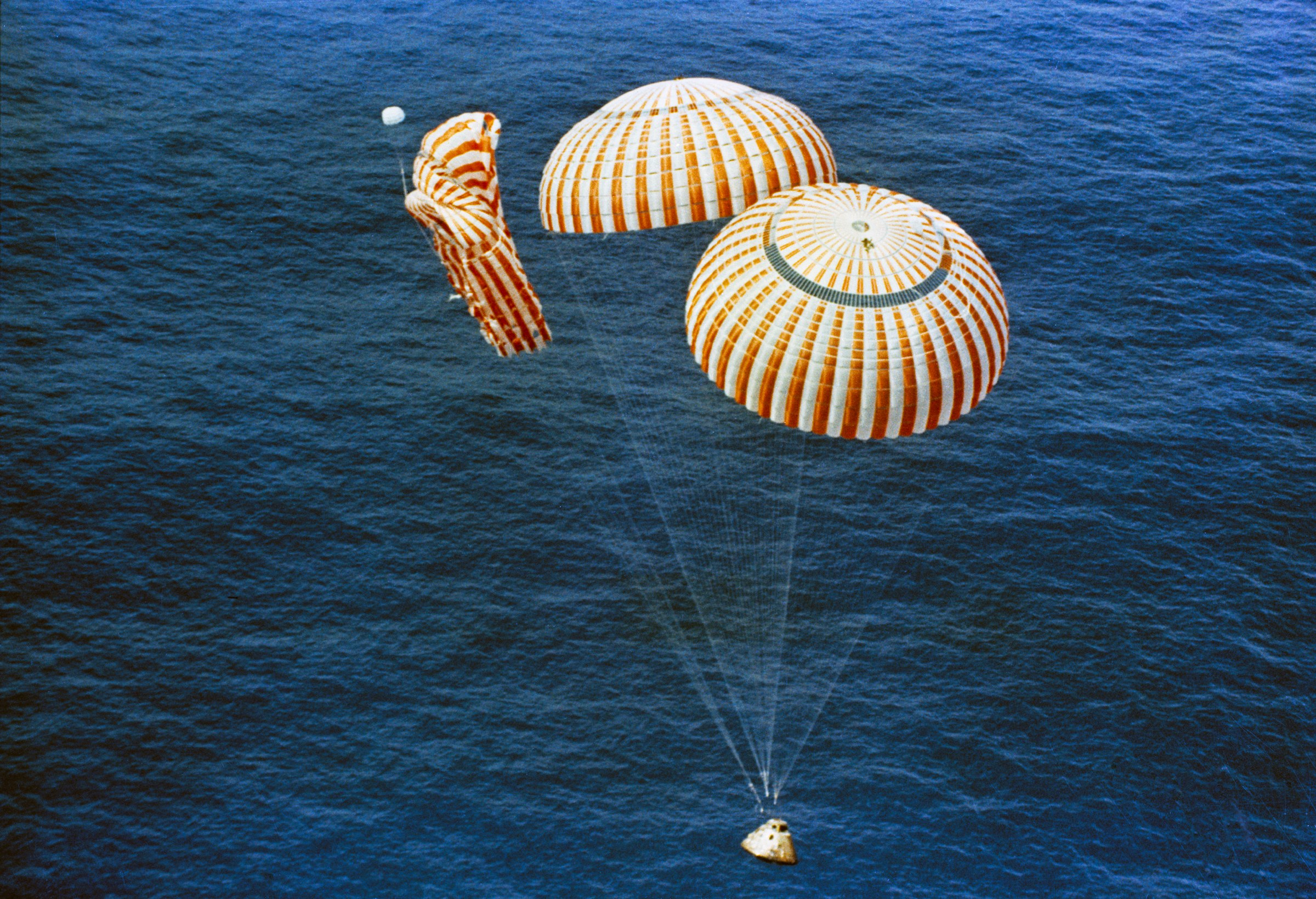
But I believe we're a necessary evil, as it were. Gil Stern said, "Both optimists and pessimists contribute to our society. The optimist invents the airplane and the pessimist the parachute." At NASA and, in fact, any organization where they strive to push the envelope and do what is unaccountably difficult, where doing the impossible is just one of the balls one has to juggle, nothing can happen without the dreamers, the ones who refuse to believe it's impossible, who stride forward undaunted no matter what the challenge.
That can be very very good. We would never have walked on the moon or driven robots on Mars without such dreamers and genius. The world was changed by the people who did these great things, who challenged the emptiness around our world in ways most people don't appreciate in the slightest.
But those accomplishments were not without price and many lost or nearly lost their lives to teach the rest of us hard lessons to carry forward to the next step. And it's times like these, when the old guard, who first conquered aspects of space-faring, are almost gone among us and all are left are those who have Shuttled to and fro to low earth orbit for the last two decades. They have accomplishments but they are incremental, tapping the opportunities in what is, space-wise, our own backyard. No new ships have been designed for man by either Russia or the US in decades.
That doesn't mean we shouldn't try—perish the thought—only that we are at our most vulnerable when it comes for forgetting the lessons of the past, the times we got lucky (and the over-designing that forged that luck) and the times we didn't.
That's what my paper is all about that I'll be presenting this week at the International Association for the Advancement of Space Safety Conference.
That also means I may not be back here until the weekend. Have a good one.


.jpg)


.jpg)


